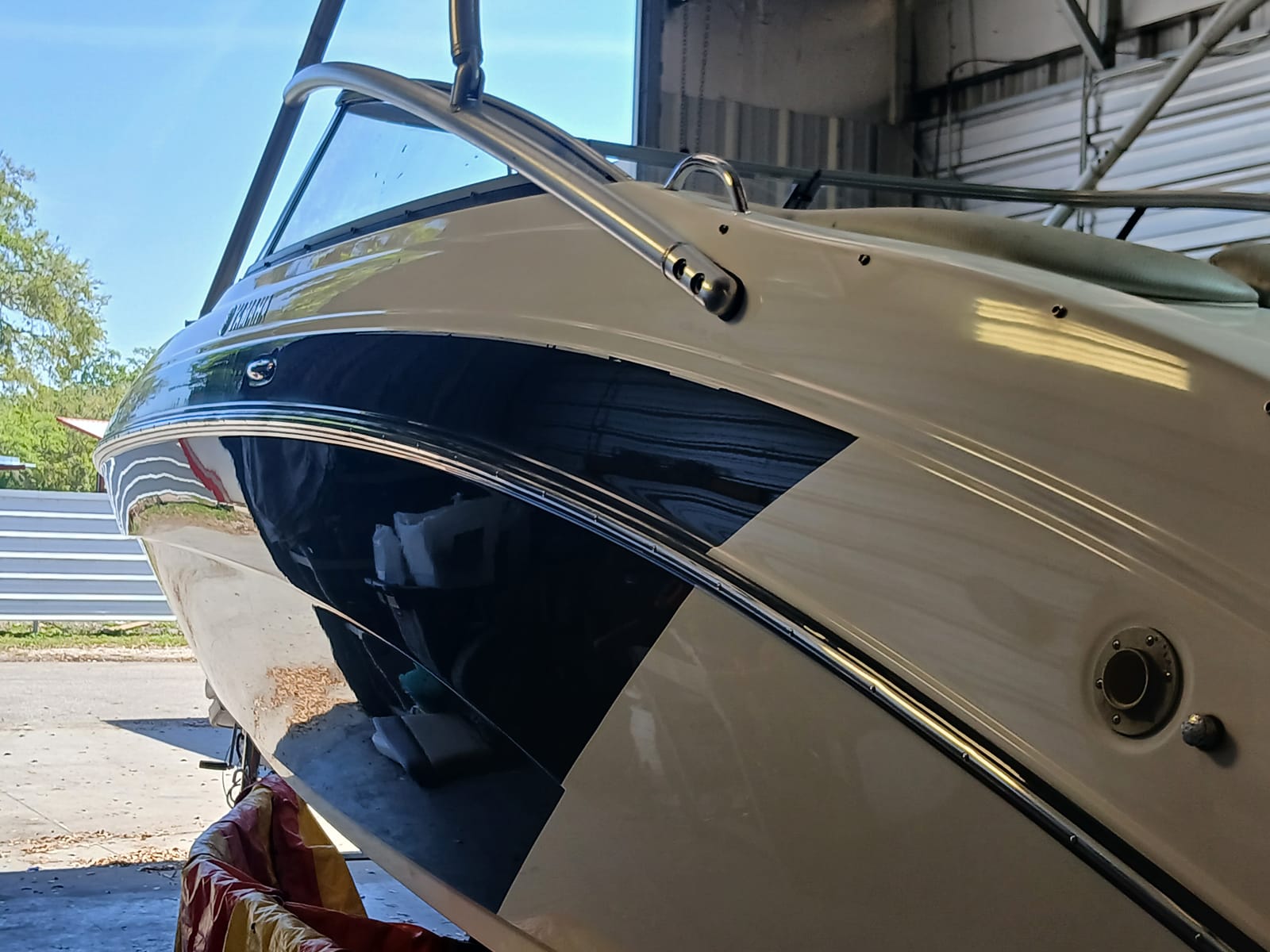
Chalky, faded gelcoat compounded and polished back to a gloss, then protected so it stays that way.
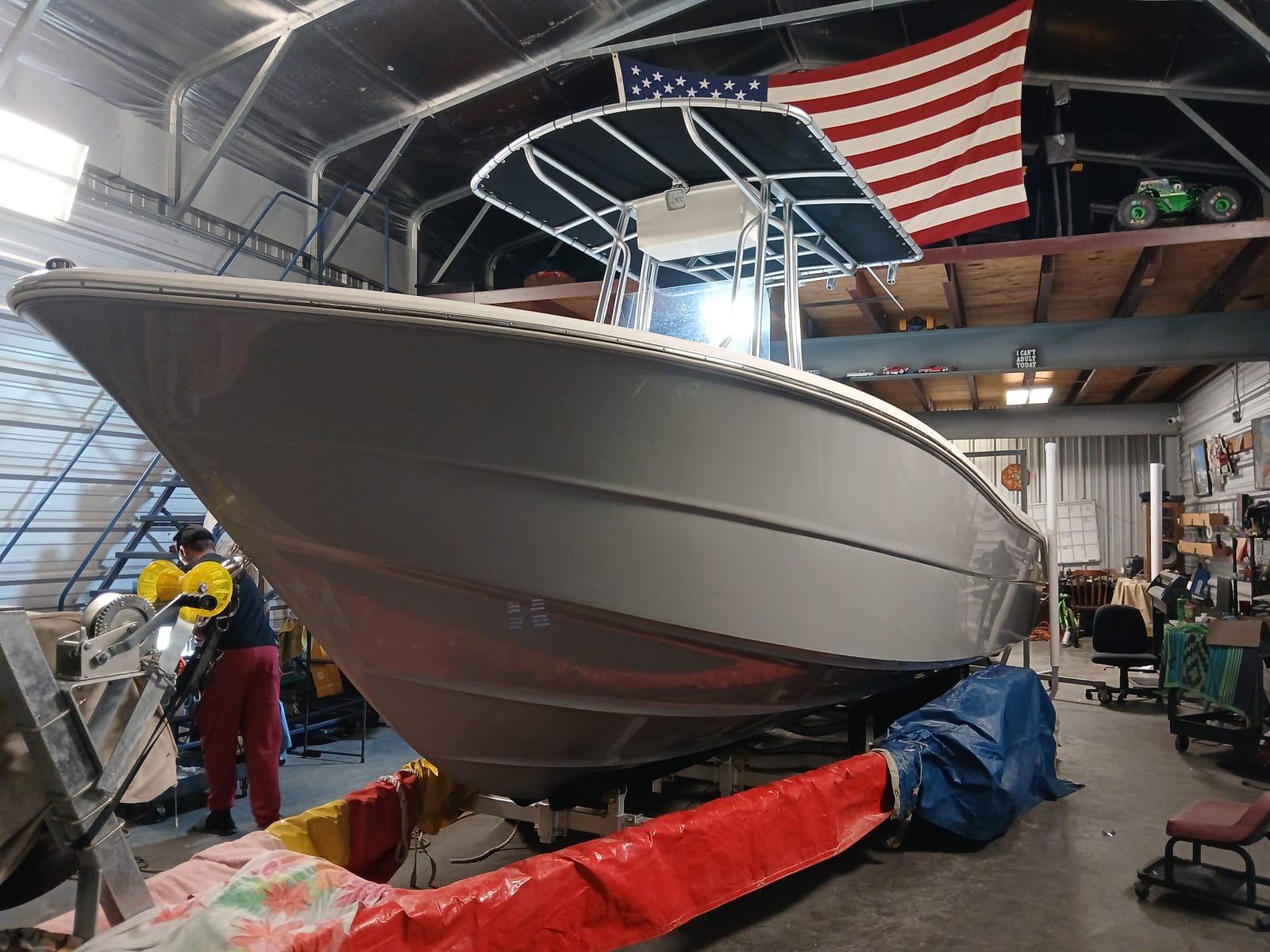
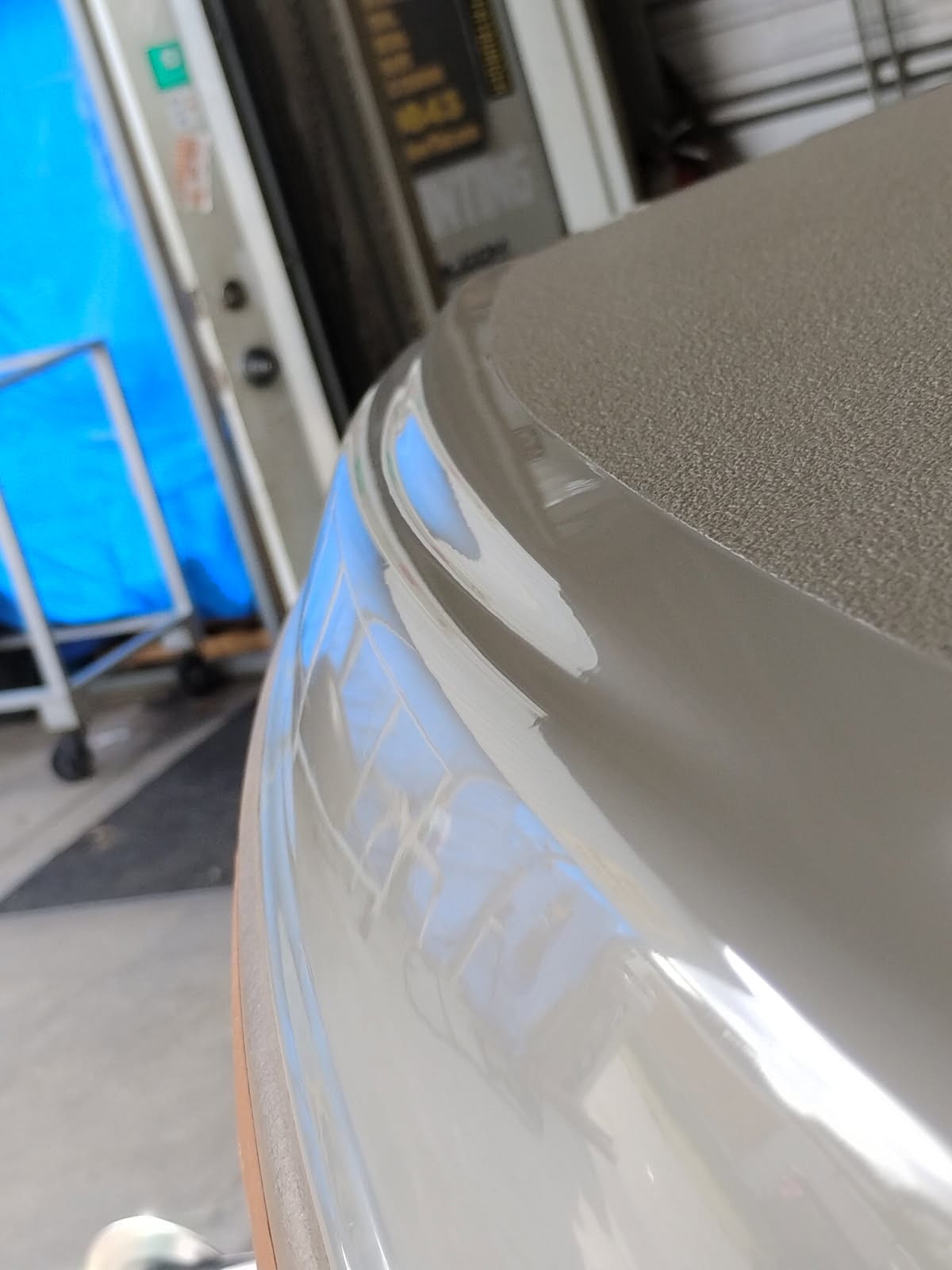
Run your hand down the hull. If it comes away white, the gelcoat is oxidized. That chalk is the top layer of your finish breaking down, and in the Tampa Bay sun it does not stop on its own.
Short answer
Oxidation removal takes the dead, chalky layer off a fiberglass boat and brings the gloss back. The gelcoat is machine compounded to cut away the oxidation, polished to restore clarity, then sealed with wax, sealant, or ceramic coating. Doctor Detail does it at your dock, driveway, or marina.
Gelcoat is the hard, colored resin layer on the outside of a fiberglass boat. UV light breaks down its surface over time, and salt and heat speed the process up. The first sign is a hull that looks a little flat in photos. Then the color fades, white boats turn yellow or gray, and dark hulls go milky.
By the time a boat leaves chalk on your hand, the damage is sitting on the surface waiting to be removed. Waxing over it only buries the problem. The dead layer has to come off first.
Not every hull needs the same amount of cutting. Light oxidation is a dull haze that a single polishing step can clear. Moderate oxidation needs a compound first, then a polish. Heavy oxidation is chalky and deeply faded, and it takes more passes and more time.
That is why the Doctor looks at the boat before he quotes. The level of oxidation decides how long the job takes and what it costs, and you hear both before any work begins.
Freshly polished gelcoat is clean and open, and it will start to oxidize again if it is left bare. The job finishes with protection: a marine wax, a sealant, or a ceramic coating. Wax is the simplest. Ceramic coating is the longest-lasting option, and the Doctor is a certified installer for Ceramic Pro and System X.
If you want the shine to last through more than one season, ask about coating while the gelcoat is freshly corrected. It is the best moment to seal it.
Oxidation creeps up slowly, so it is easy to get used to. These are the signs that the gelcoat has crossed from tired to oxidized:
Buyers judge a boat by its gelcoat before they ever look at the engine hours. A chalky, faded hull makes a boat look older and less cared for than it is, and it gives a buyer an easy reason to offer less.
A restored, protected hull does the opposite. If you plan to sell, oxidation removal is often one of the most visible improvements you can make before listing the boat.
Doctor Detail is mobile. The Doctor does oxidation work at the dock, on the trailer in your driveway, or at the marina, across Gibsonton, Apollo Beach, Ruskin, Riverview, and nearby towns. You do not need to haul the boat anywhere.
Detailing work takes a 30% deposit when you book, and you can pay by card, cash, or transfer.
Most surface oxidation can be compounded and polished away. Gelcoat that is worn very thin or cracked has limits, so the Doctor checks the hull first and tells you what to expect before you book.
It depends on the size of the boat and how heavy the oxidation is. The Doctor gives you a time frame with your free quote.
It will if the gelcoat is left unprotected. A wax, sealant, or ceramic coating after polishing slows it down, and regular maintenance washes keep salt from speeding it up.
Yes. On a trailer the whole hull is easy to reach. The Doctor also works on boats on a lift, at a dock, or at the marina.
Case files
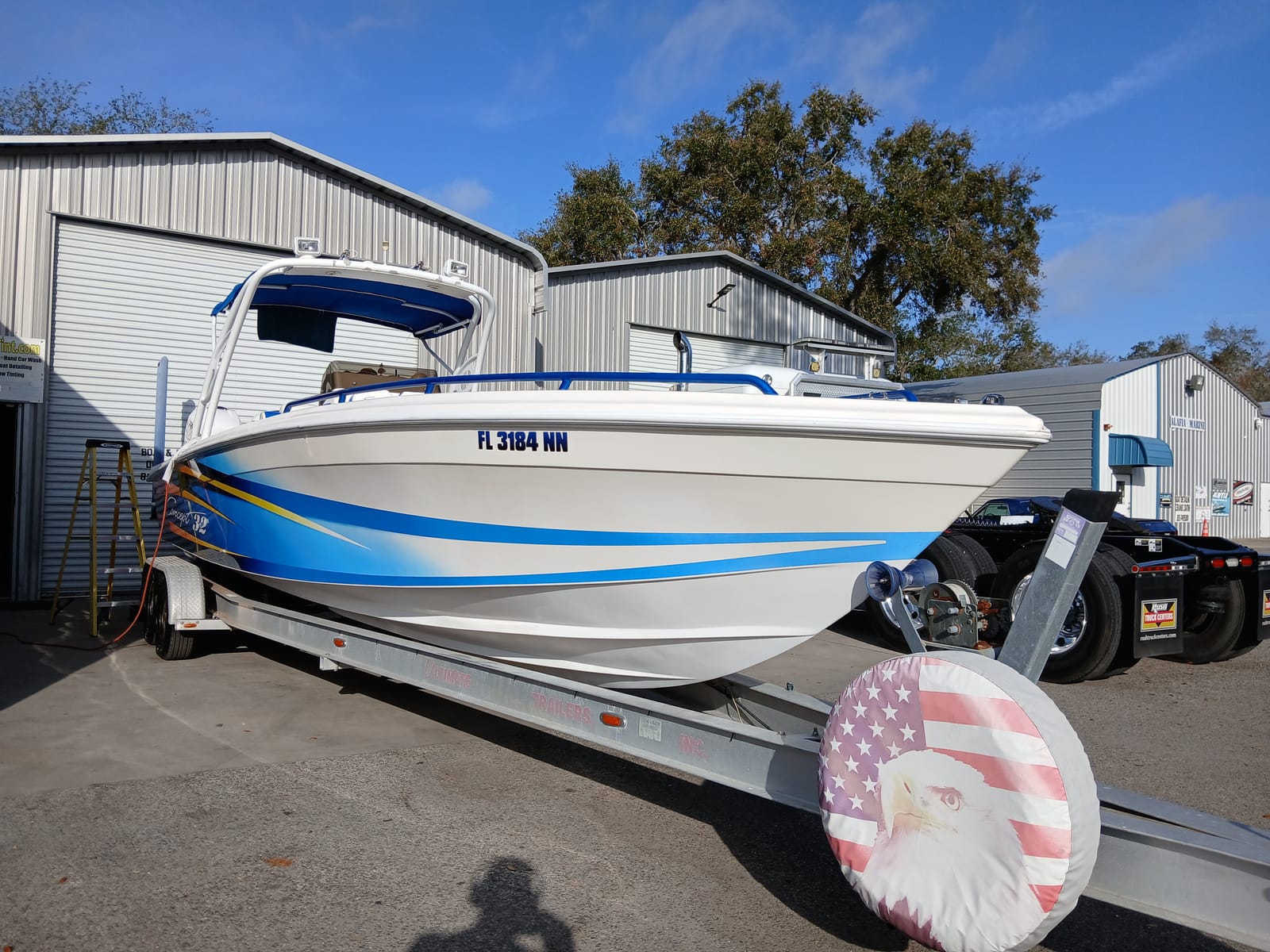
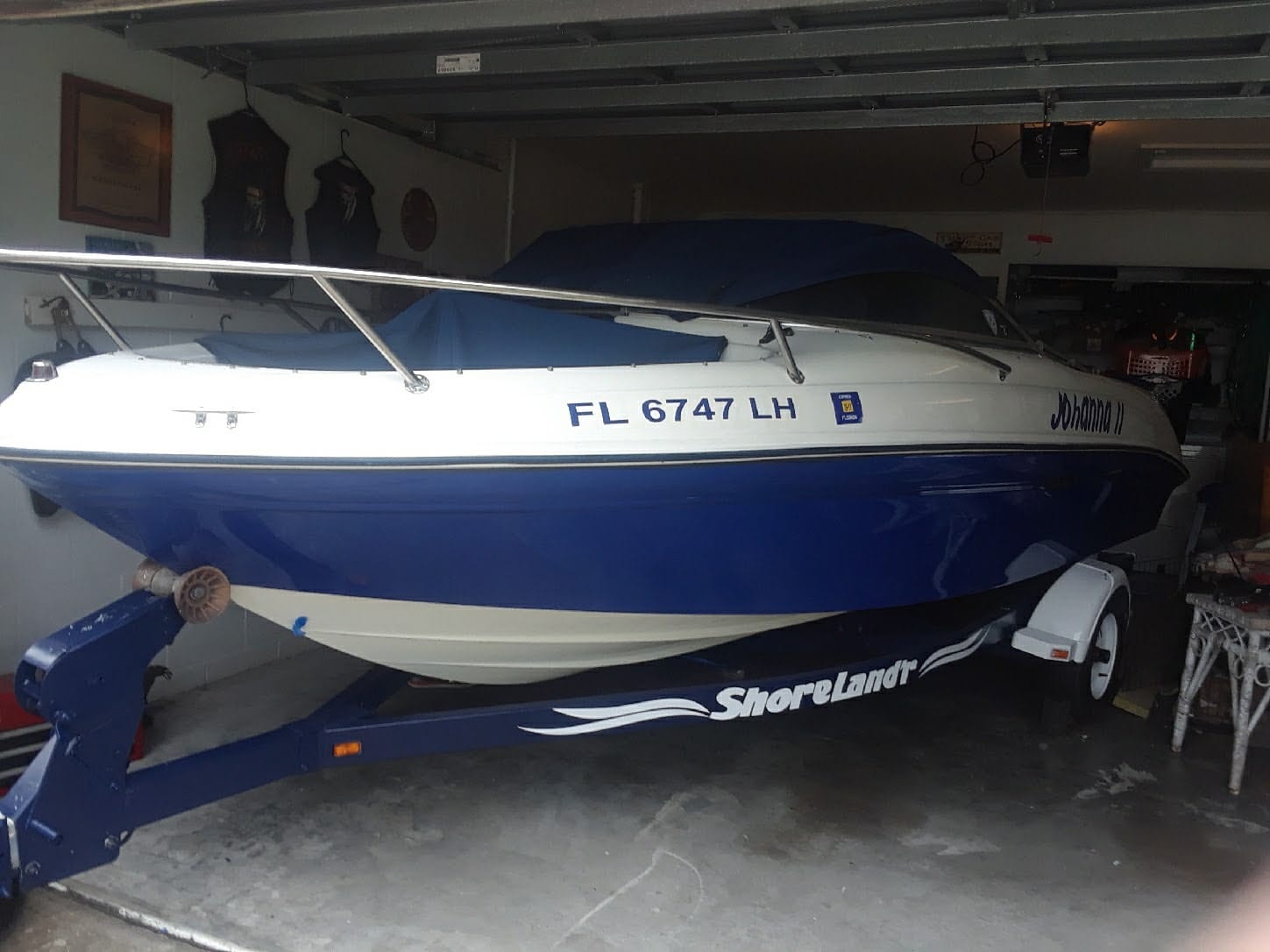
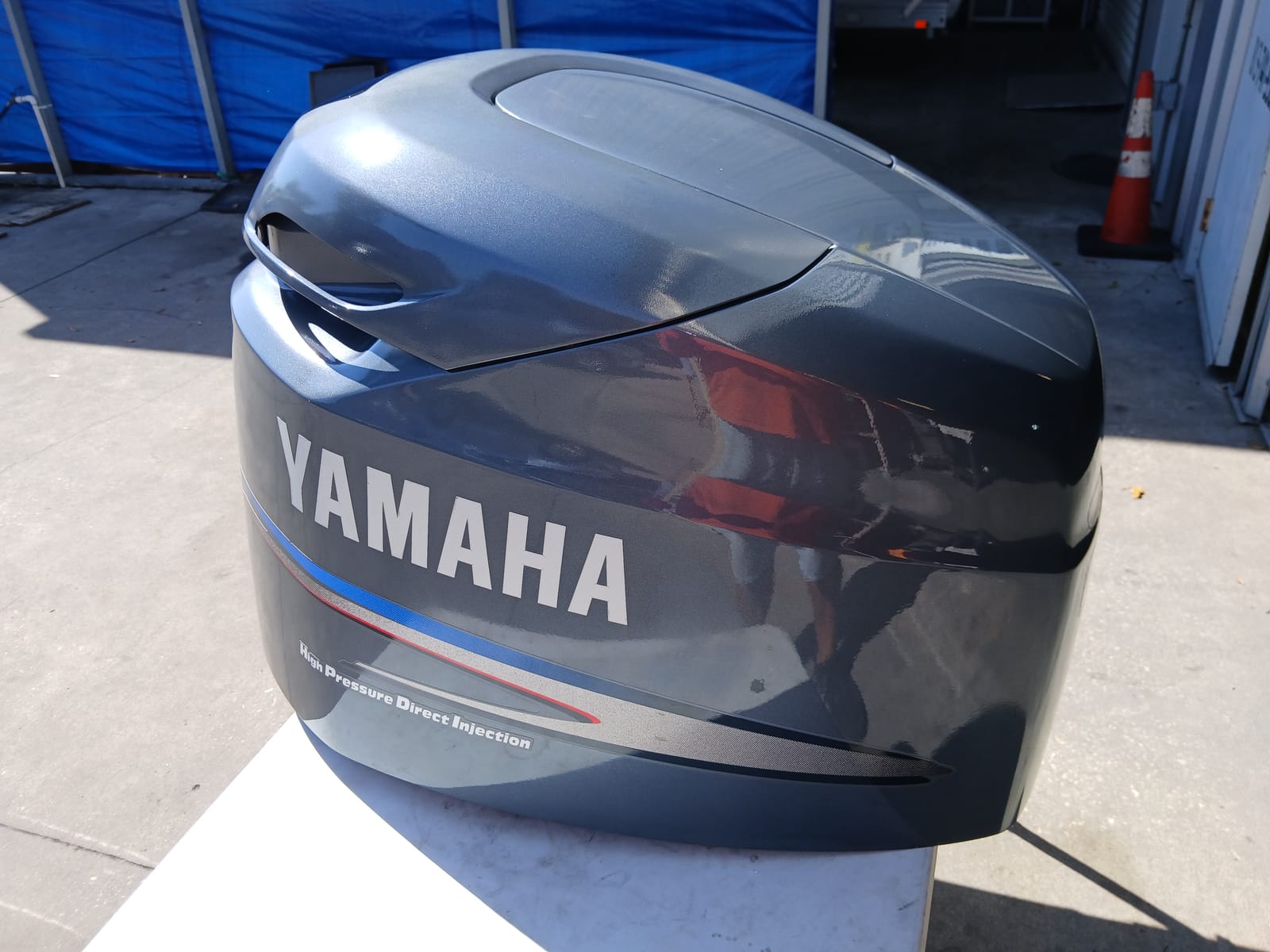
The Doctor is in.
Free quote before any work begins. At your dock, driveway, or marina across Gibsonton, Riverview, Apollo Beach, Ruskin, Brandon, and nearby towns.
(656) 218-5137