
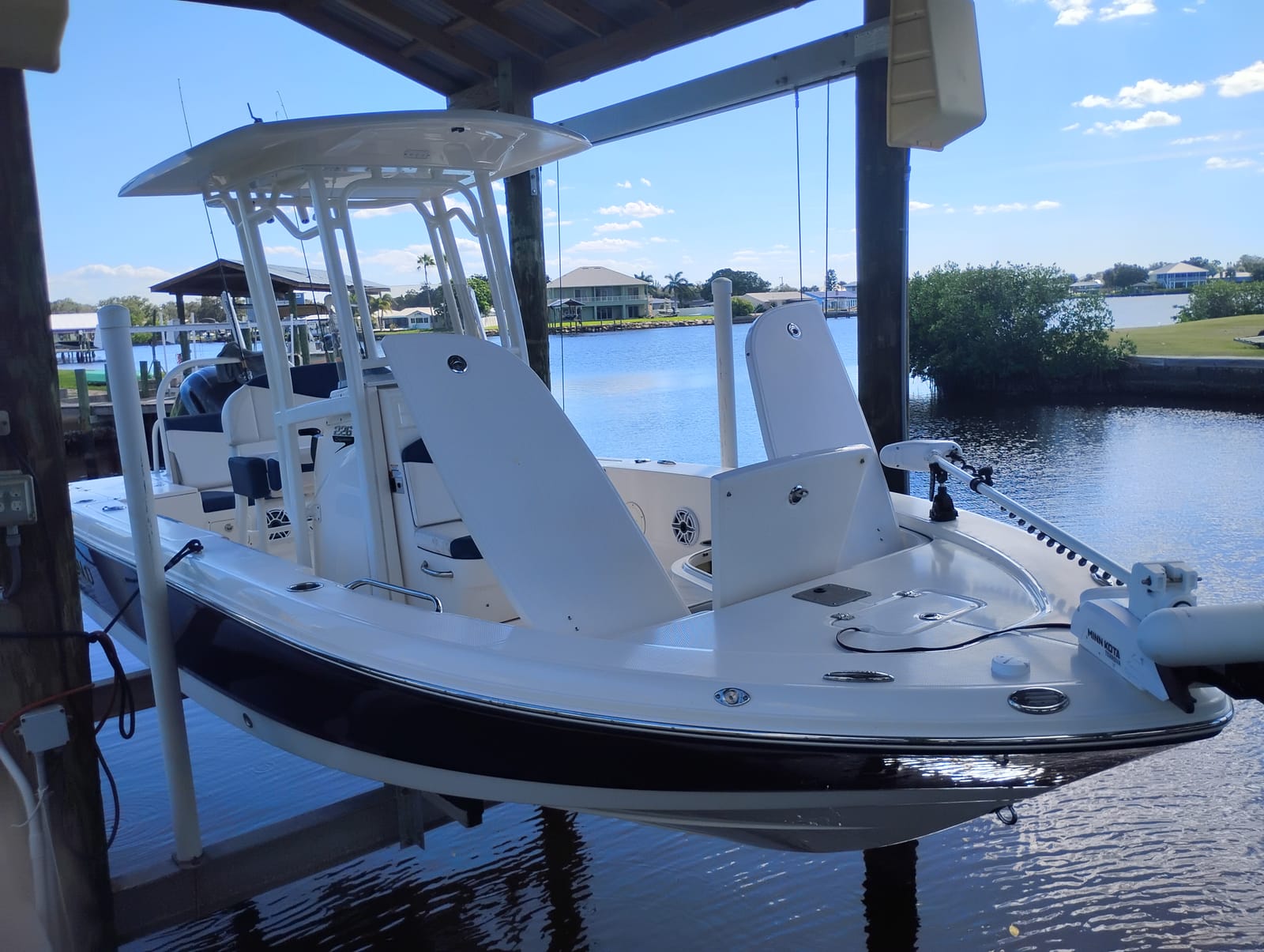
A clean, polished hull sealed with marine wax or sealant, so UV and salt hit the protection instead of the gelcoat.
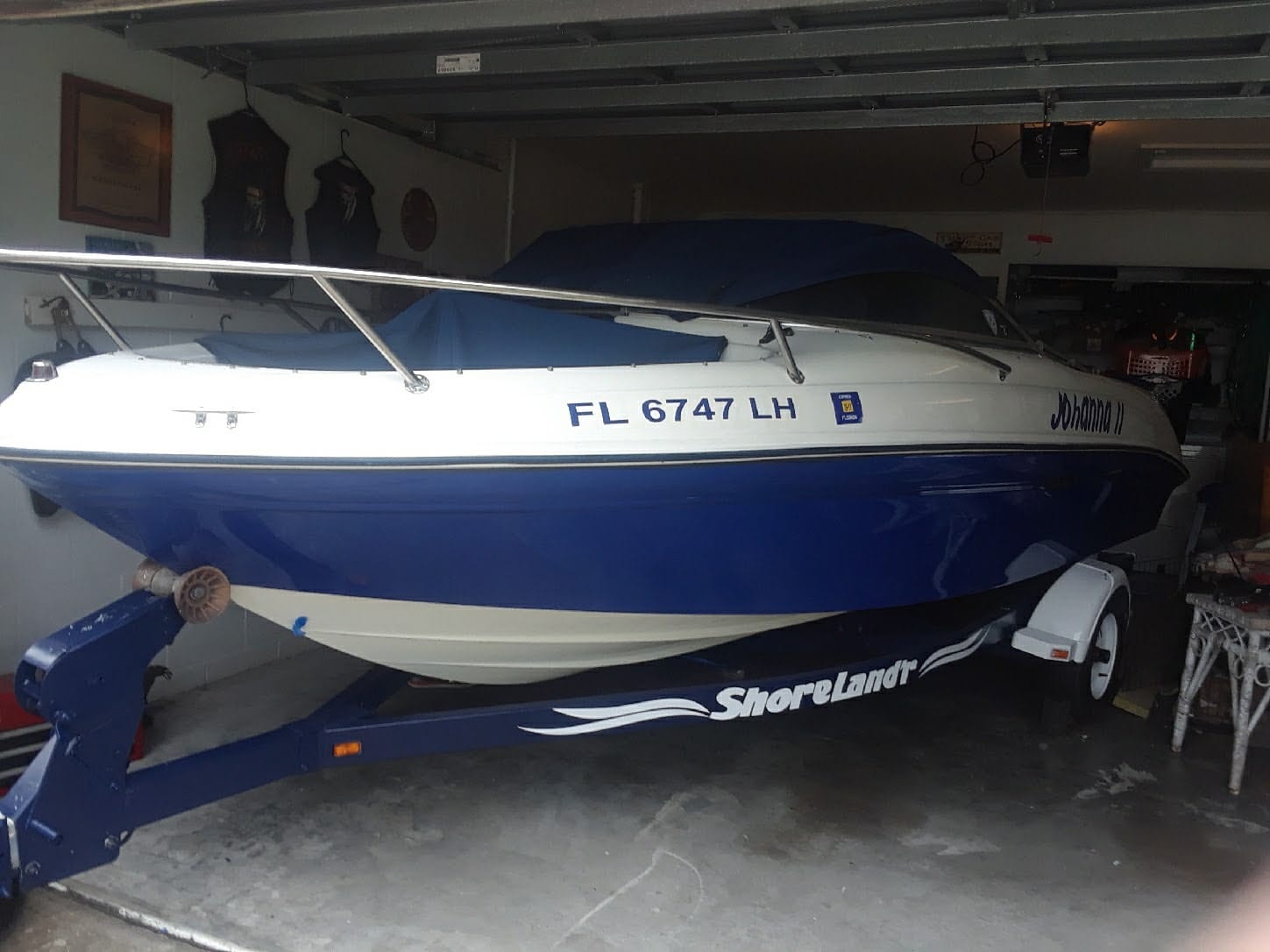
Wax is the cheapest insurance a boat finish can get. A good coat sits between your gelcoat and the Florida sun, and it takes the abuse so the gelcoat does not have to.
Short answer
Wax puts a sacrificial layer over the gelcoat. UV light, salt, and grime wear the wax down instead of the finish, which slows oxidation and fading. It also makes the hull slicker and easier to clean. Doctor Detail cleans and polishes the gelcoat first, then applies marine wax or sealant at your dock.
Wax applied over dirt, salt, or oxidation seals the problem in. The surface has to be clean first, and any haze has to be polished out. That prep is most of the job, and it is what makes the wax look like a shine instead of a smear.
If the hull is already chalky, the right first step is oxidation removal. Wax comes after.
Marine wax is easy to apply and easy to refresh, and it gives a warm gloss. Synthetic sealants last longer than most waxes and handle heat well. Ceramic coating is a step beyond both: a hard, bonded layer that lasts far longer and makes washing much easier.
The Doctor is a certified installer for Ceramic Pro and System X, so he can talk you through all three and recommend what fits how you use the boat.
Sun and salt wear wax down faster here than up north. A boat that lives in the water and runs often needs fresh protection more often than one that sits on a covered lift. When water stops beading on the hull, the protection is wearing thin.
The Doctor can set you up on a schedule that matches how often you run the boat, so the gelcoat never goes unprotected for long.
Wax can be applied by hand or with a machine polisher on a soft pad. A machine spreads wax evenly over large hull sides and saves a lot of time. Hand application works well on smaller areas, around hardware, and on tight curves. Most jobs use both.
Either way, the wax is applied thin and removed fully. Thick wax is harder to remove, attracts dust, and does not protect any better.
A fresh wax is one of the simplest ways to make a boat show well for a sale. It deepens the color and makes the hull look cared for.
Before a long stretch of storage, a fresh coat of protection keeps the gelcoat covered while the boat sits. Pair it with a good wash and a dry boat, and it will come out of storage looking the way it went in.
The topsides, the transom, and the deck all have gelcoat too, and they take just as much sun. A full gelcoat care visit covers the surfaces you see every day, not only the hull sides.
Yes. The Doctor waxes boats at the dock or on a lift, and on trailers in your driveway. Some lower hull areas are easier to reach on a trailer, so tell him how the boat is kept when you ask for a quote.
Ceramic coating lasts much longer and makes washing easier, and it costs more up front. Wax is cheaper and simple to refresh. The Doctor recommends one based on your boat and how you use it.
Watch the water. When it stops beading and starts sheeting or sitting flat on the hull, the protection is wearing off.
Yes. Gelcoat care covers the topsides and transom as well as the hull sides. Non-skid gets cleaned, not waxed, so it keeps its grip.
Case files
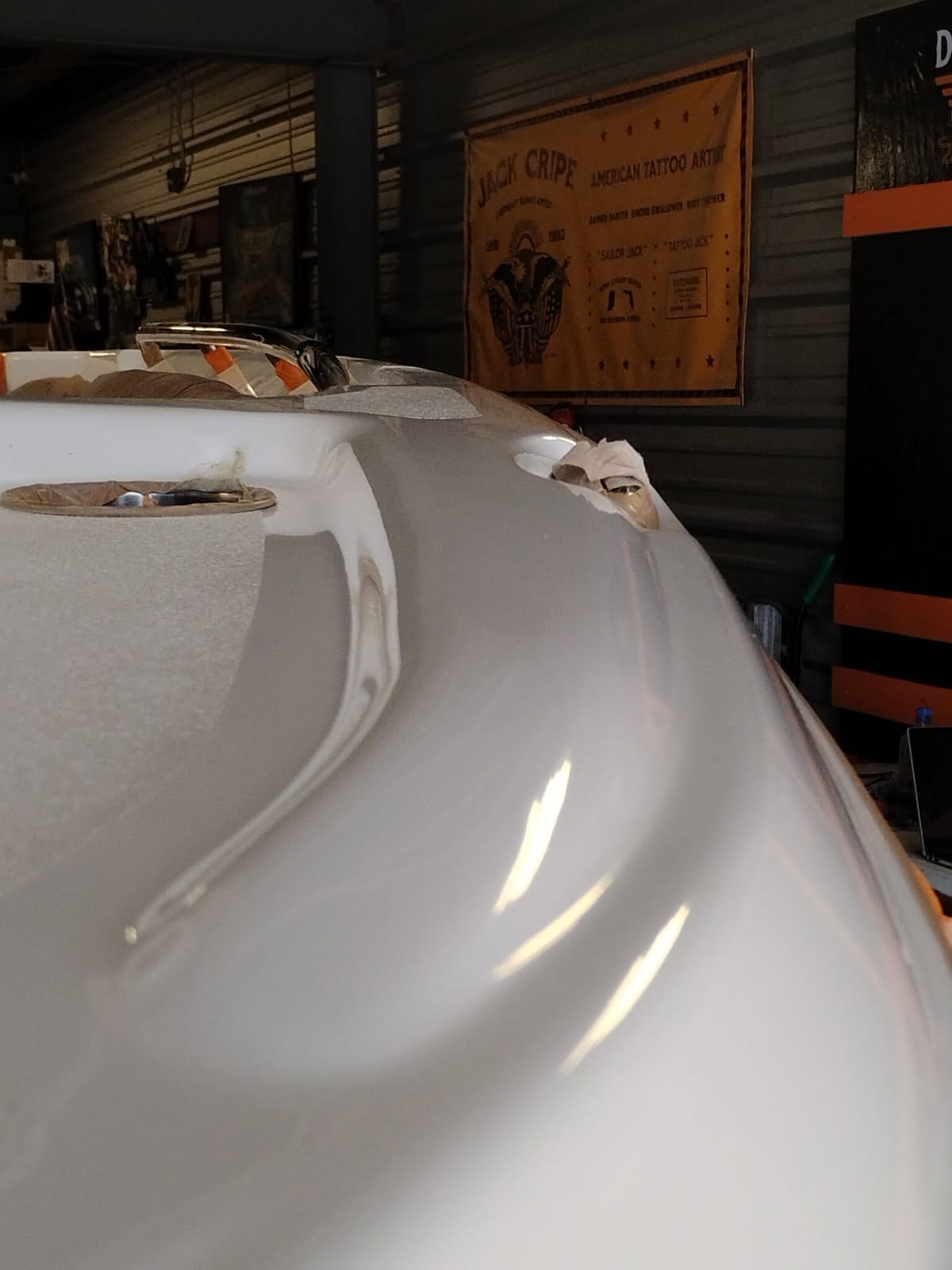
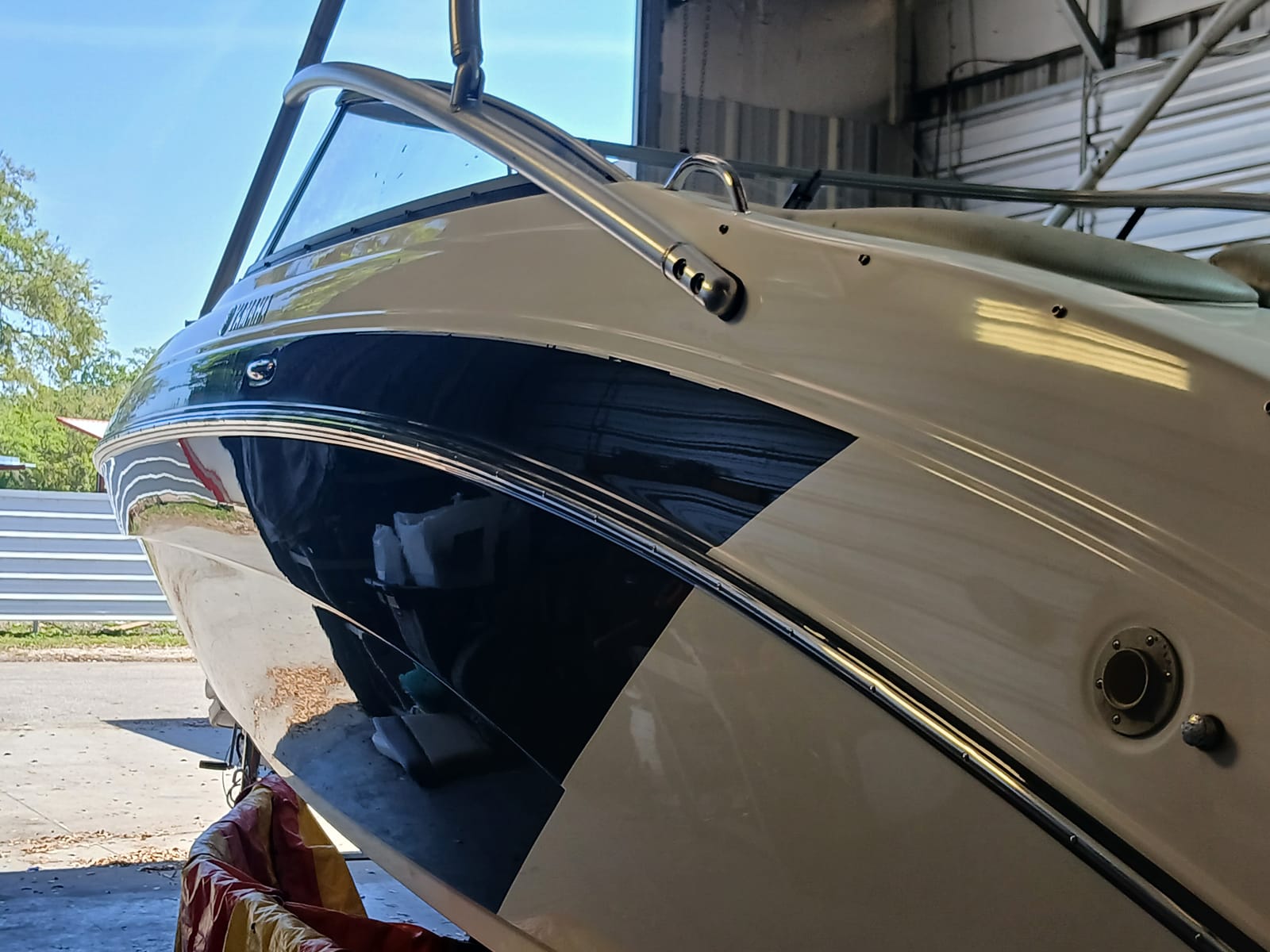
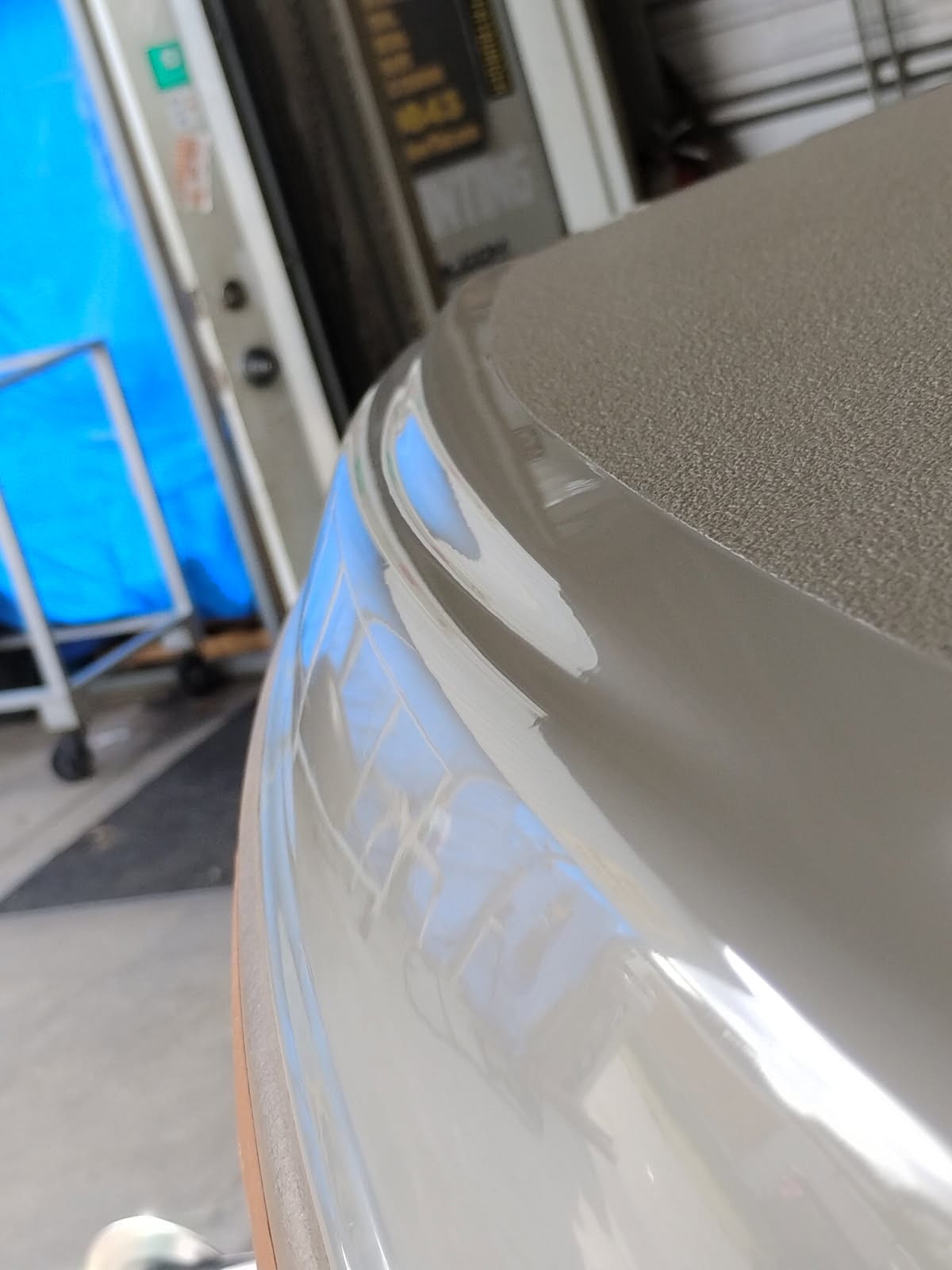
The Doctor is in.
Free quote before any work begins. At your dock, driveway, or marina across Gibsonton, Riverview, Apollo Beach, Ruskin, Brandon, and nearby towns.
(656) 218-5137