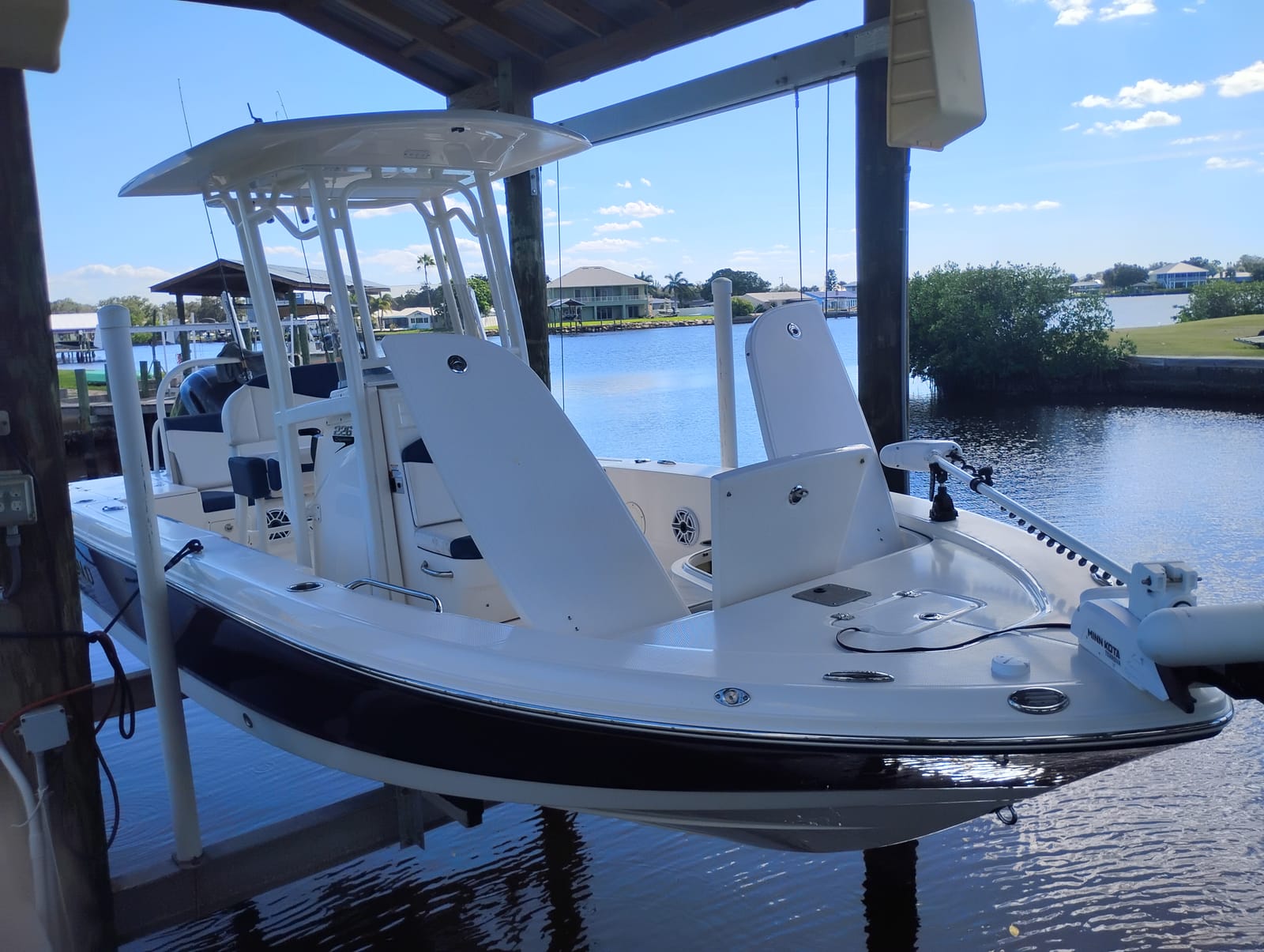
Salt crust cleaned off the hull, deck, rails, hardware, vinyl, and non-skid before it pits and stains.
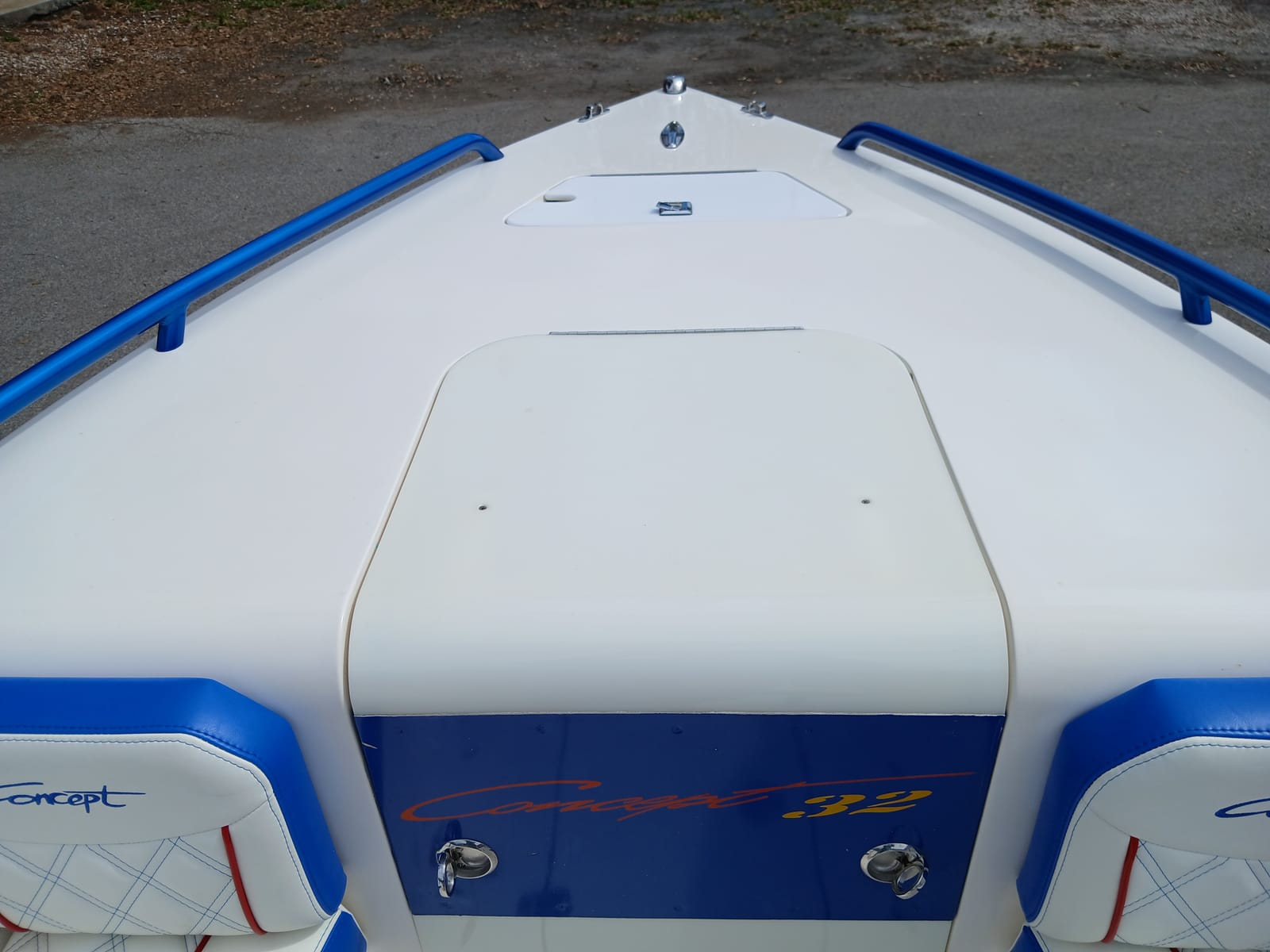
A quick hose-down after a day on Tampa Bay feels like enough. It rarely is. Salt hides in the seams of the non-skid, under rail bases, in snaps and stitching, and it keeps working on your boat long after it is back on the lift.
Short answer
Marine salt removal is a deep clean that pulls dried salt out of every surface a rinse misses: the hull, the deck and non-skid, stainless rails and hardware, vinyl, and compartments. It protects metal from corrosion and finishes from dulling. Doctor Detail does it at your dock, driveway, or marina.
Dried salt pulls moisture out of the air. That keeps a thin, salty film on your boat even on a dry day, and that film is what attacks finishes and metal. On stainless rails it shows up as brown tea staining. On aluminum and chrome it leads to pitting. On gelcoat it speeds up oxidation.
Salt also wears out vinyl and canvas. It collects in stitching and seams, holds moisture there, and gives mildew a place to start.
The flat, smooth surfaces rinse clean easily. The trouble spots are the textured and tight ones, and those are where a real salt removal spends its time.
A fresh water rinse after every trip is a good habit, and it slows the buildup. It does not dissolve salt that has dried into texture and seams. A full salt removal uses soap, brushes, and time on each area, then a thorough rinse and dry so the salt is gone instead of moved around.
Many boat owners pair salt removal with a regular maintenance wash schedule, so the crust never gets a chance to build up again.
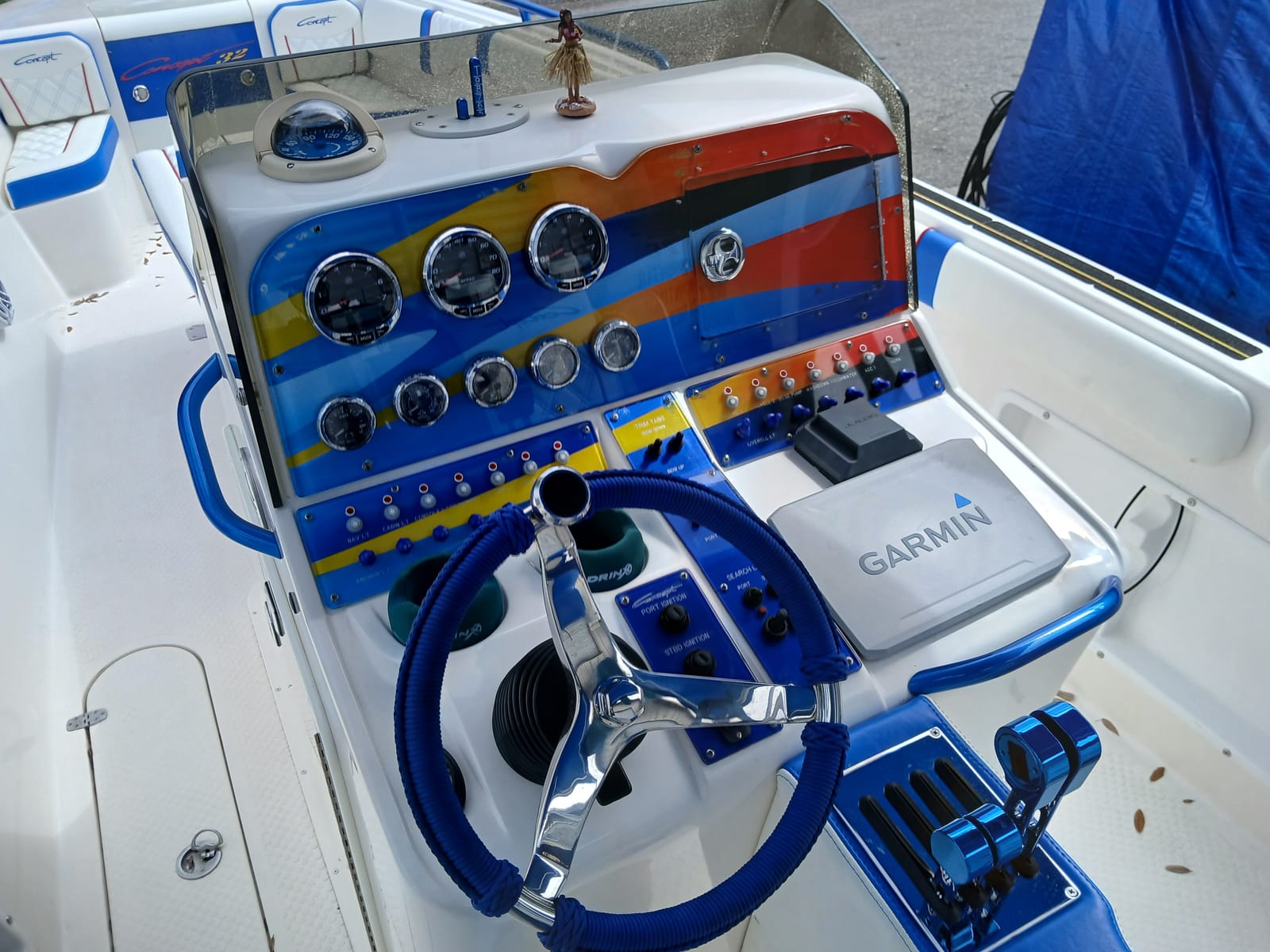
Salt does not stay on the outside surfaces. Spray reaches the helm, switch panels, gauges, and the plugs and connections around them. Over time, salt deposits on connections can lead to corrosion and poor contact. A careful clean around the helm, without soaking anything electrical, is part of a proper salt removal.
A boat that sits on the lift for a few weeks between trips can hold more salt damage than one that runs every weekend and gets rinsed each time. The salt from the last trip just sits there, drawing moisture, in the humid air.
If your boat sits more than it runs, a salt removal after the last trip of a stretch, followed by protection, keeps it from coming back to a crusty deck and stained stainless.
The Doctor comes to the boat. Salt removal is done on the lift, at the slip, or on the trailer across Gibsonton, Apollo Beach, Ruskin, Riverview, and the South Shore. You get a free quote first, and detailing takes a 30% deposit when you book.
Rinse with fresh water after every saltwater trip. A deep salt removal is worth doing whenever you see white residue in the seams or staining on stainless, and as part of every full detail.
Light surface staining on stainless rails and hardware usually cleans up. The Doctor looks at the metal and tells you what he expects before any work begins.
Yes. The Doctor works on boats at the dock, on a lift, at the marina, or on a trailer in your driveway.
Yes. A full boat detail includes salt removal along with the hull, deck, and interior. You can also book salt removal on its own.
Case files
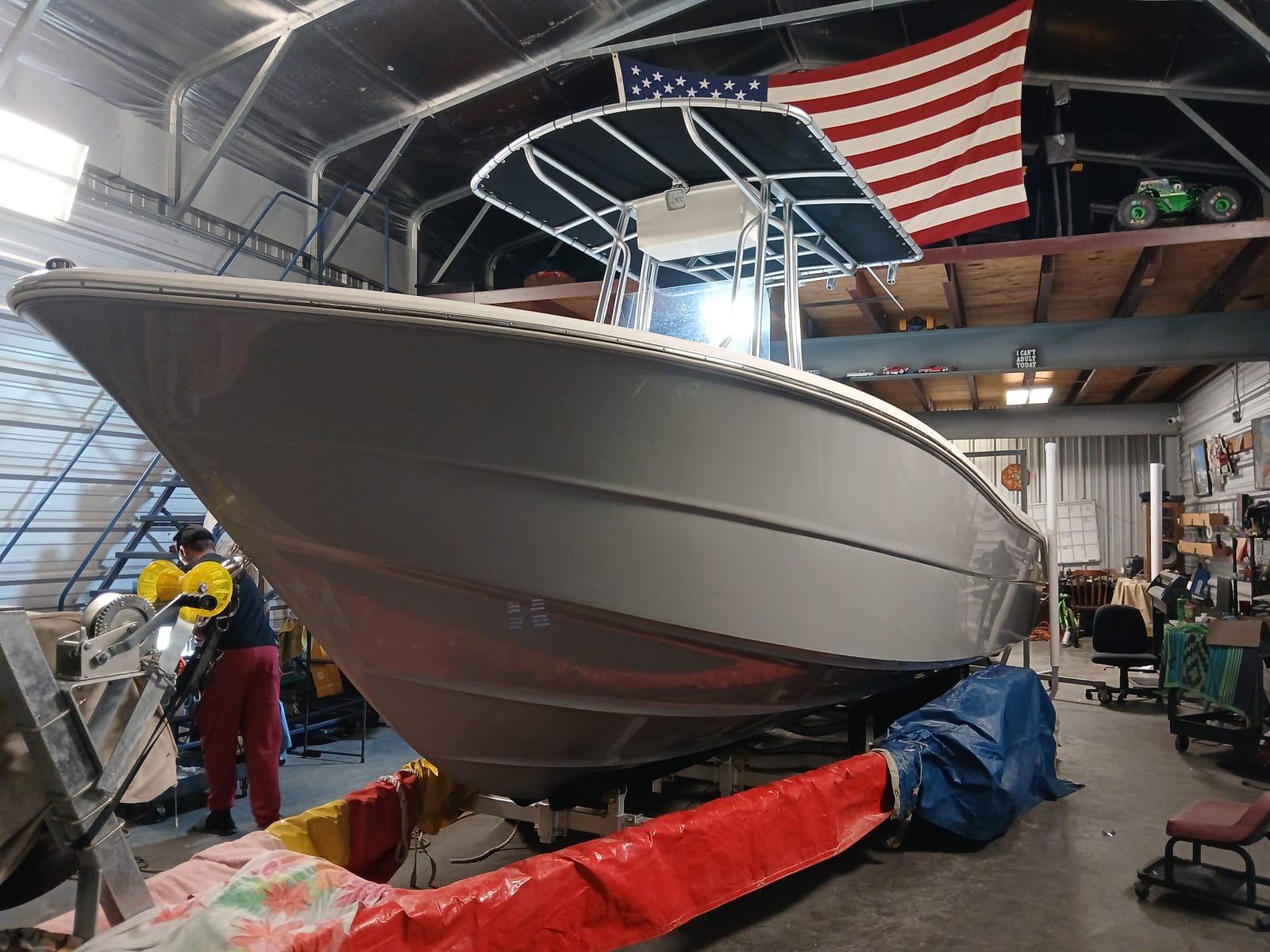
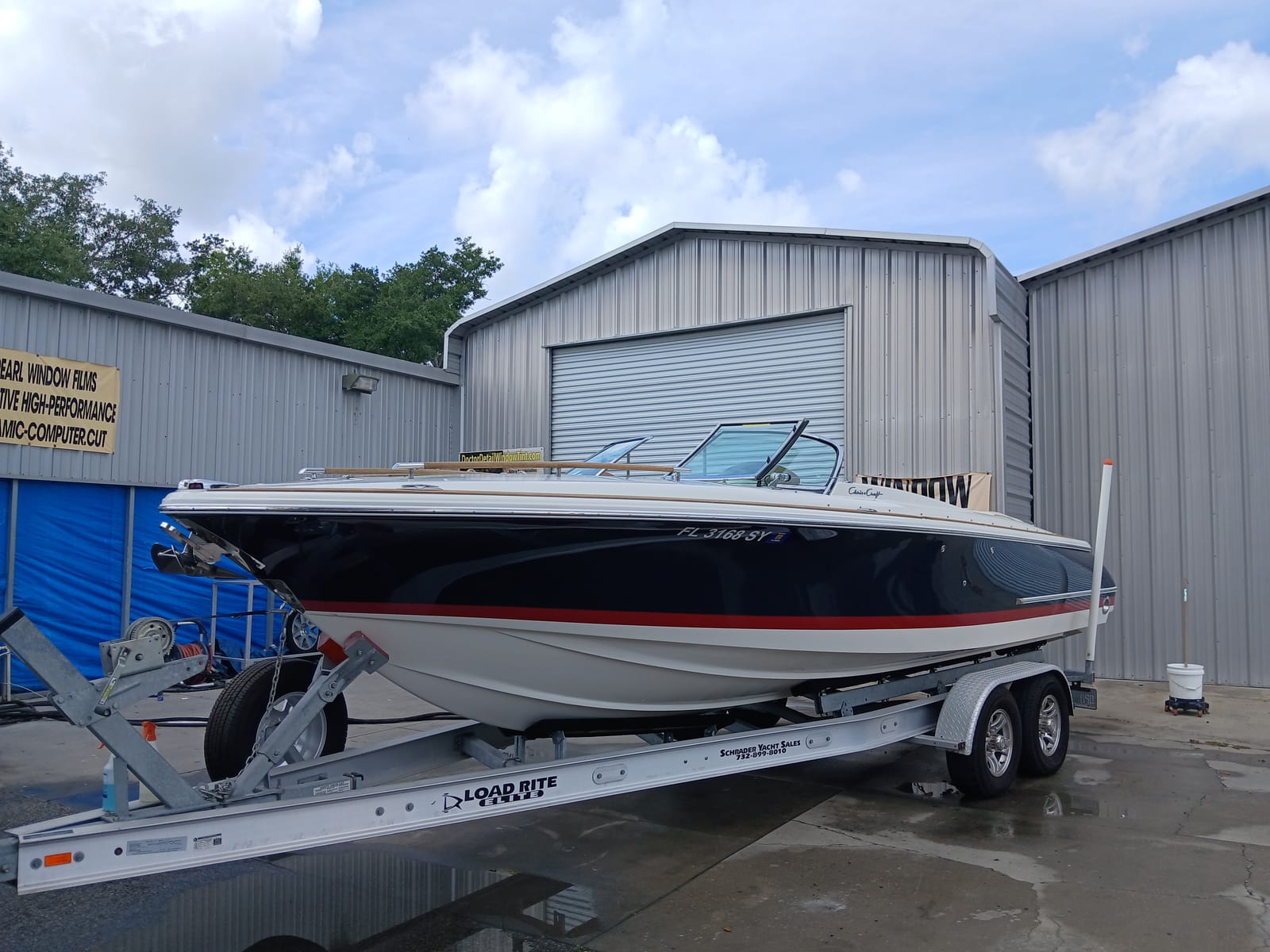
The Doctor is in.
Free quote before any work begins. At your dock, driveway, or marina across Gibsonton, Riverview, Apollo Beach, Ruskin, Brandon, and nearby towns.
(656) 218-5137